

Every few years, some “guru” declares traditional media dead. Radio. TV. Print. Direct mail. Pick a coffin.
Yes, media habits have changed. Attention is fragmented. Streaming is here to stay. And scrolling fatigue is now a real thing.
But “changed” is different from dead, dying or pointless. If your marketing plan has quietly drifted into an all-digital portfolio, you might be paying more than you need for results that are harder to sustain.
Traditional media isn’t dead. It’s evolved — and it still earns its keep in a modern marketing mix. Let’s talk about why.
The reality is, your audience is still there — and the data is blunt about it.
Radio’s reach with young adults is not a rounding error. Katz cites NMI Insights reporting that radio reaches almost nine in 10 adults ages 18-34, and radio leads ad-supported audio with a 45% share of daily listening time (ahead of podcasts and streaming audio).
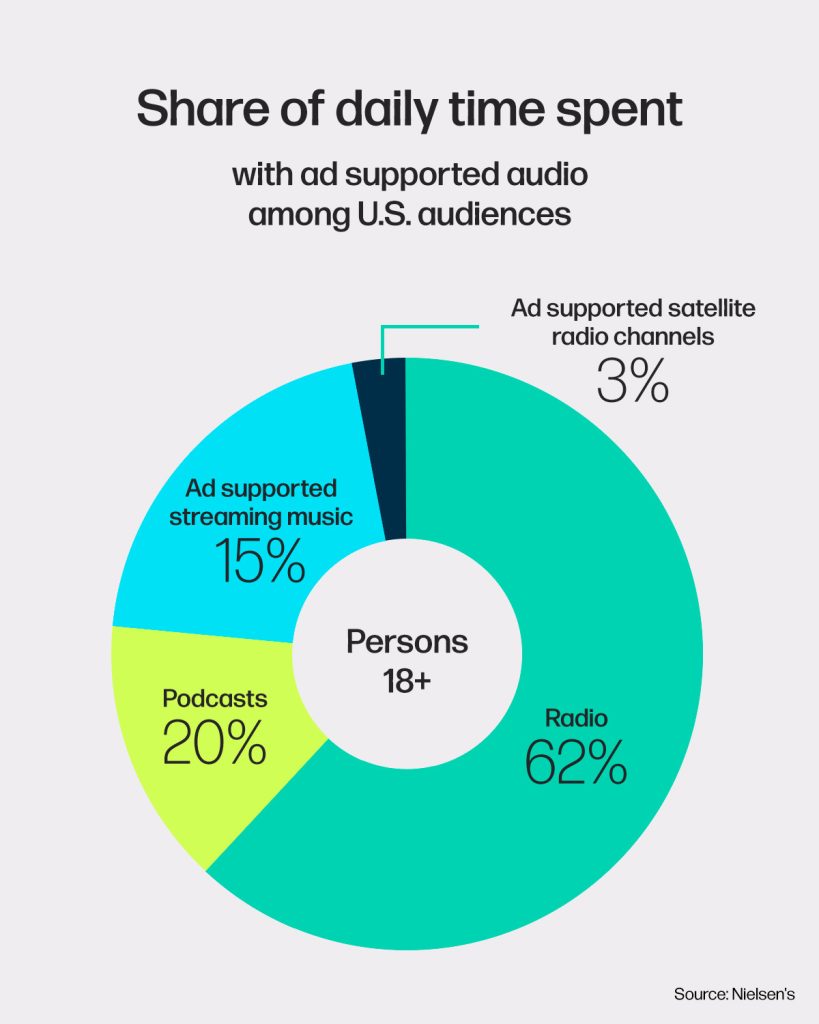
If you want an independent view: Nielsen’s “The Record” shows that in Q3 2025, listeners 18 and older spent 62% of daily ad-supported audio time with radio vs. 20% with podcasts and 15% with streaming audio.
If you need efficient reach in an audio environment that people actually use daily, radio is still a workhorse.
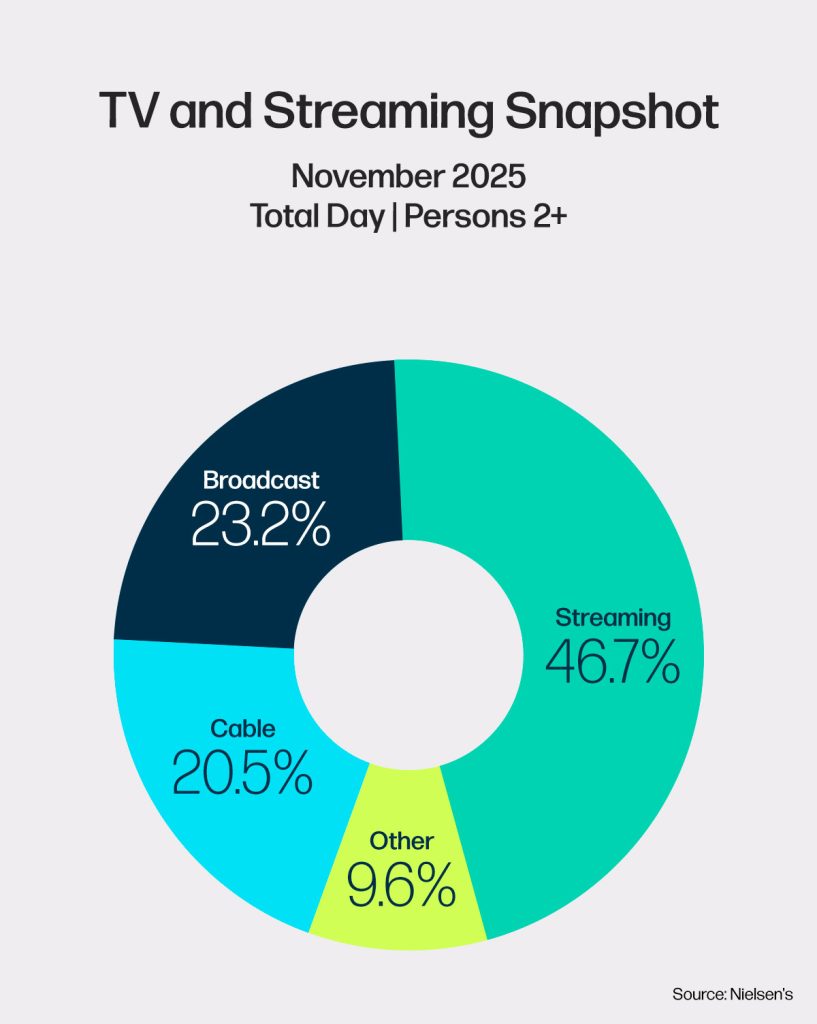
And TV? Even as viewership shifts, traditional TV still shows up where mass audiences gather — live sports, news, special broadcasts — and it does something digital often struggles to do. It makes people feel something.
I’ll give you four reasons:
1) Traditional channels still win on broad reach, fast.
When you have a message that needs scale — awareness, fundraising momentum, a market expansion, a big launch — traditional channels create lift quickly.
A recent study points to three practical truths:
That research-online behavior is exactly what your analytics may be missing if you’re judging TV solely on last-click conversions.
2) Traditional media can be more cost-effective than you think.
One of the stickiest myths about TV is that it’s automatically out of reach unless you’re a national brand with a national budget.
When you compare cost per thousand impressions (CPM), TV can be 3-5 times less expensive than digital advertising.
That isn’t always true in every market and category, but it’s true often enough that it should stop you from writing off TV without doing the math.
3) Traditional media helps close the trust gap.
Digital is efficient. It is also crowded and sometimes … a little sketchy. That makes audiences wary.
Traditional placements can signal legitimacy in a way banner ads and sponsored posts don’t. TV ads are often perceived as more trustworthy and authoritative, helping build credibility, especially for newer or lesser known brands.
Audio does this differently, of course. On-air personalities and local connections make for powerful reach, and also relatability and a sense of community.
All this matters because trust isn’t just fluffy, feel-good stuff. Trust drives conversion rates over time.
4) Traditional media creates a measurable effect.
If your media plan treats channels like isolated silos, traditional will look inefficient. Look at the whole picture.
TV builds broad awareness and recognition and then digital harvests demand. In other words, TV boosts brand recognition and credibility, improving performance in other channels.
The brands winning right now aren’t choosing either/or. They’re going for both/and.
Use radio when you need:
Use traditional TV when you need:
Use both when you need a full-funnel plan and an omnichannel presence that feels “everywhere” in-market.
If you want help building an integrated media plan that uses traditional channels strategically, contact Amperage at info@AmperageMarketing.com.
Author Annette Schulte is vice president of marketing & communications and a subject matter expert in marketing strategy and messaging.